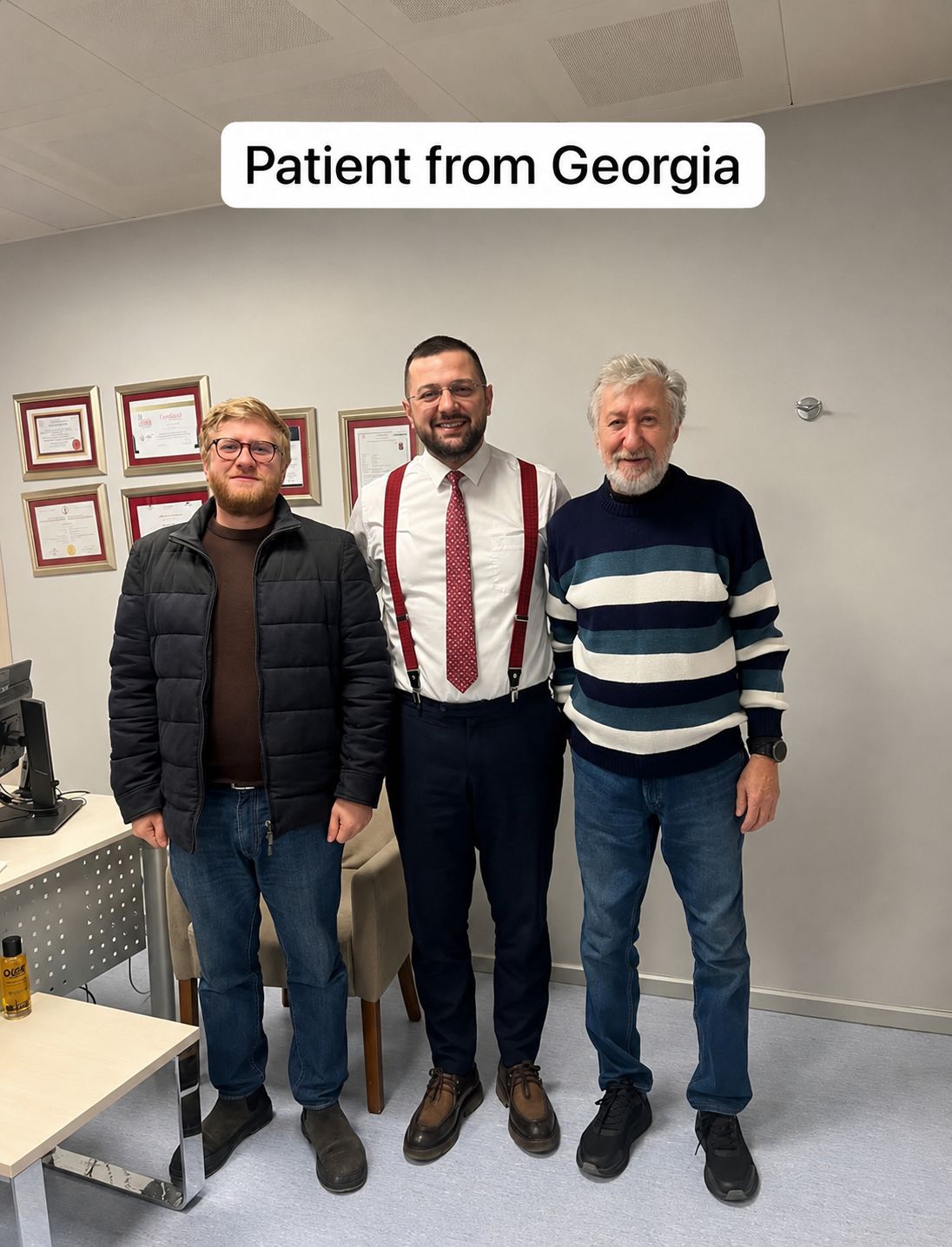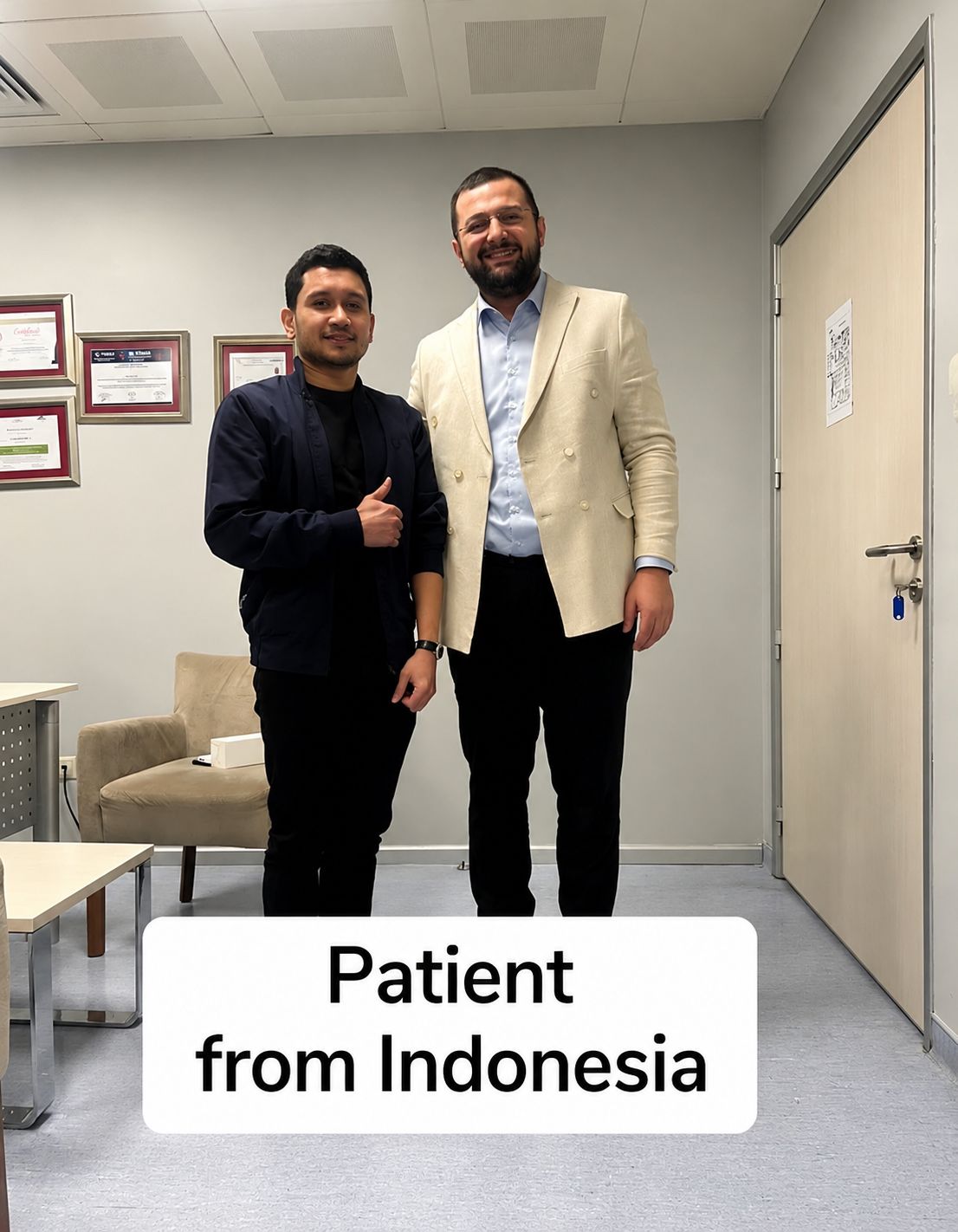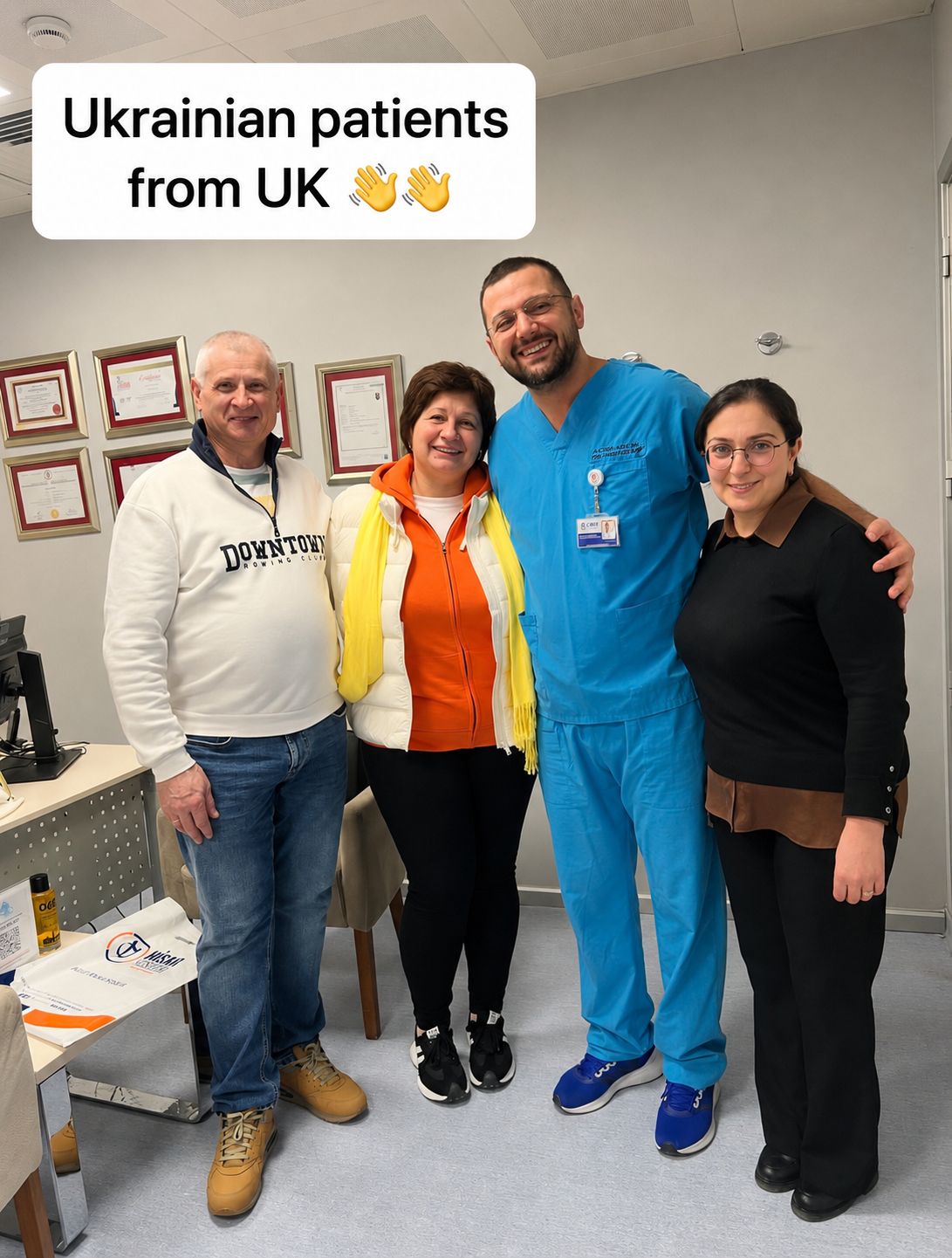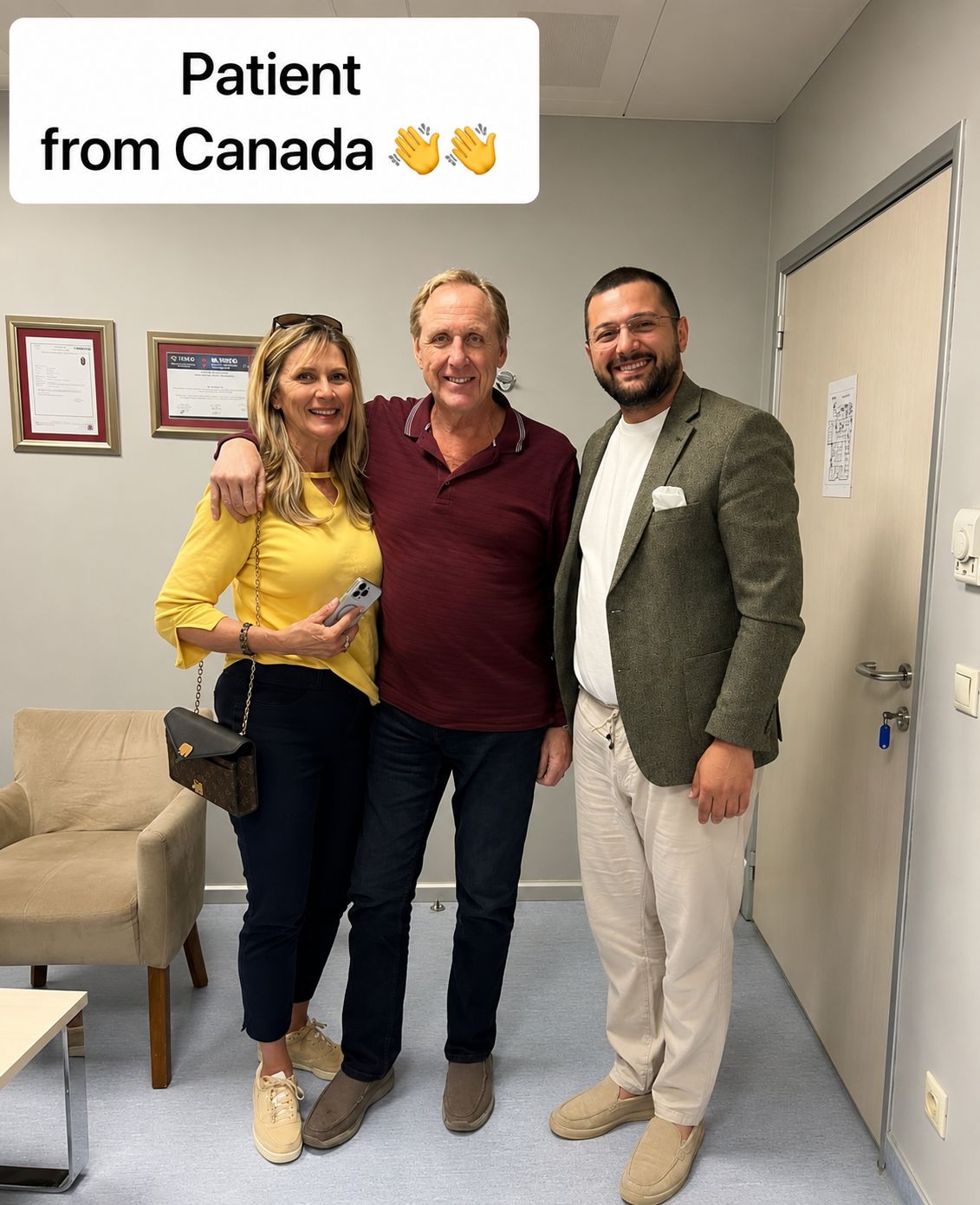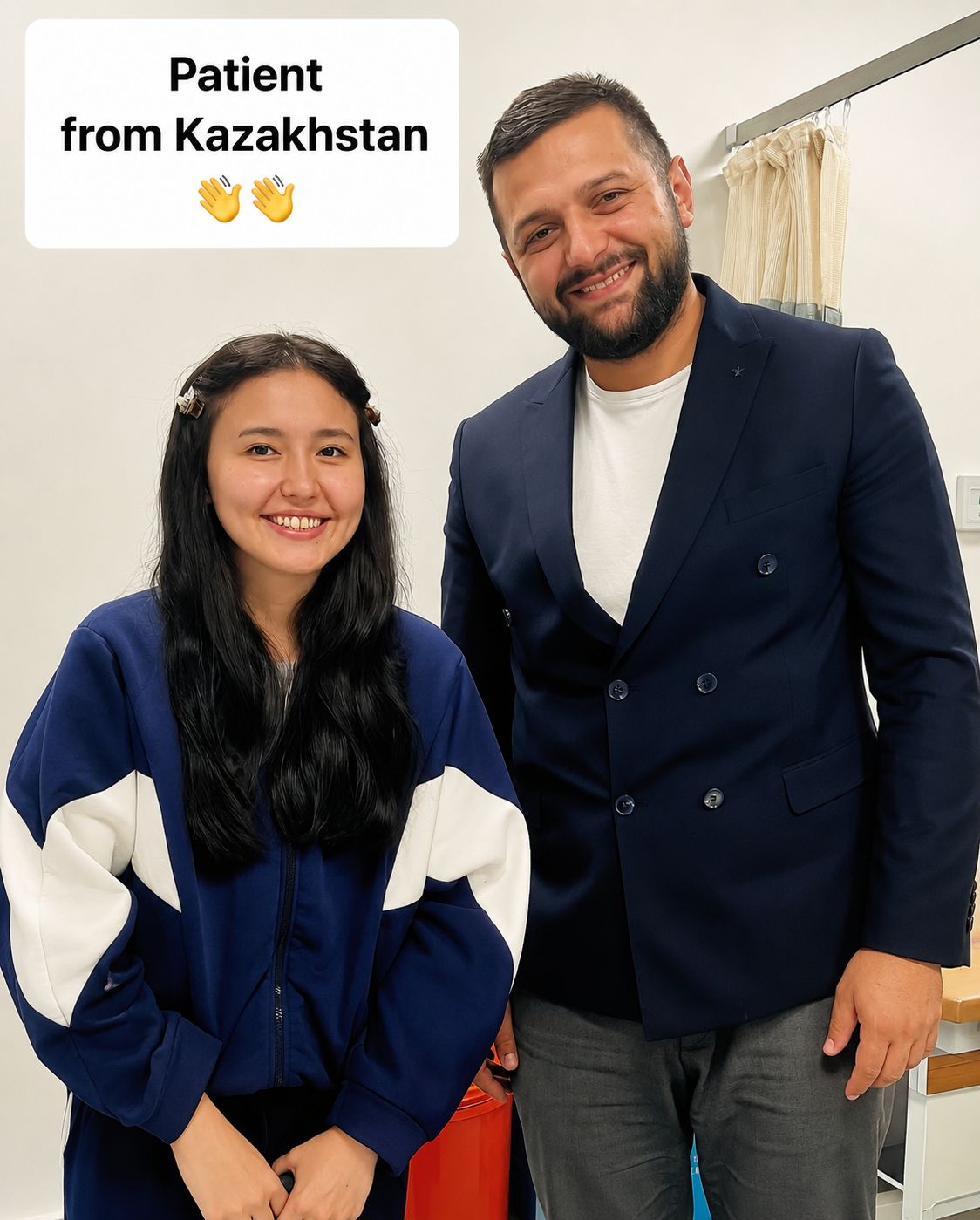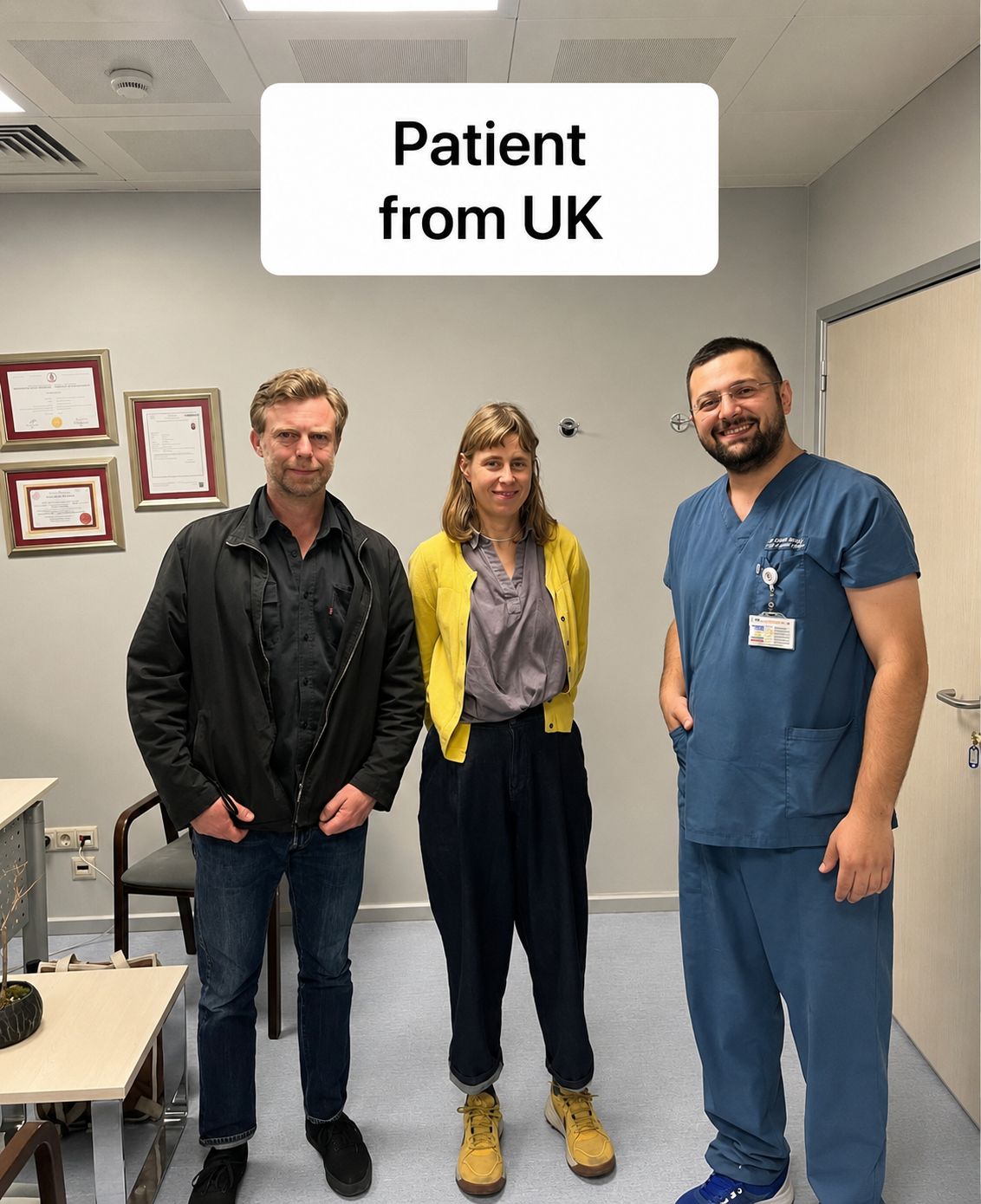
I would like to thank my doctor very much. Last month, I underwent bypass surgery. Thanks to the operation performed without opening my chest, I was able to return to my normal life in a short time. May God bless him

I came to my doctor based on a recommendation and underwent closed heart surgery. I recovered quickly and regained my health. Thank you
I came to my doctor through a recommendation and underwent heart valve surgery. I am very satisfied, thank you so much. My problems are gone. I would recommend him to everyone as well

We are very grateful to our doctor. My father had suffered from a heart murmur for years, and we had visited countless hospitals and cities without finding a solution. Thanks to our doctor, he finally found relief and healing. We are truly thankful to him.
I would like to express my thanks to Dr. Ali. I had been suffering from a heart condition for many years, and two months ago I underwent bypass surgery performed by him. He helped me regain my health. I feel much better than before. May God bless him. I highly recommend him to everyone
I would like to sincerely thank Dr. Ali and his team for their efforts. A successful doctor with a highly professional team. Their approach and attitude are excellent, and his expertise is outstanding.
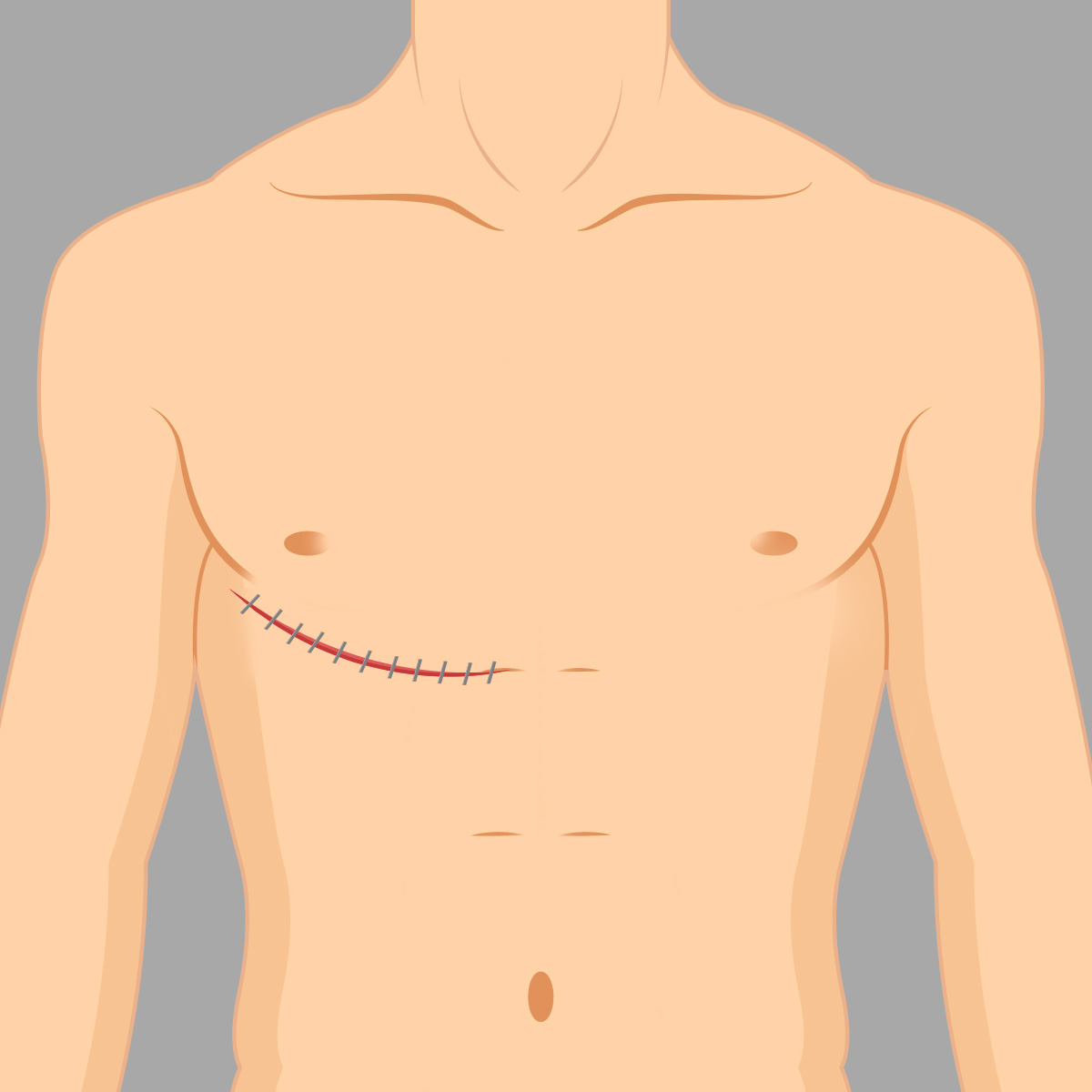
I would like to thank Dr. Ali very much. My heart valve was replaced through a small incision under my chest, and I regained my health. He has an approach that gives people confidence and comfort. I would also like to sincerely thank the nurses and staff in the intensive care unit — Büşra, Beytullah, Güneş, and Cihat — as well as the incredibly kind Ms. Süreyya, Ms. Ayşe, and Ms. Kübra in the ward. I also want to thank all the other staff members whose names I may have forgotten to mention here. If you are ill, do not hesitate at all — come here with peace of mind, just as comfortably as if you were at home.
I would like to thank my doctor very much. May his hands never suffer. He brought me back to life again. Three of my veins were replaced, and my breathing and sleep quality have greatly improved.
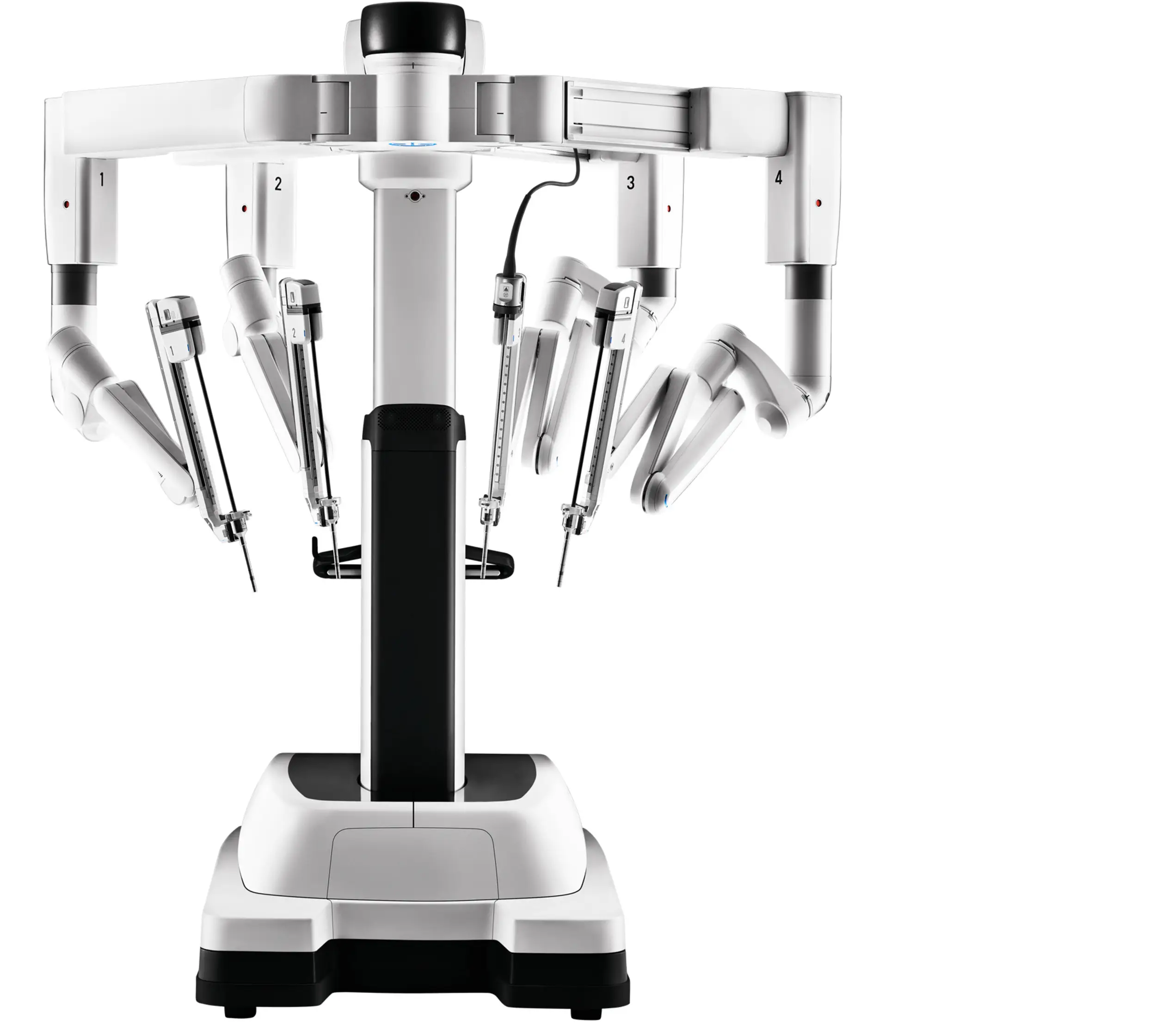
No. Robotic surgery is not suitable for every patient. The suitability decision is made by evaluating the type and prevalence of the disease and the general health status of the patient.
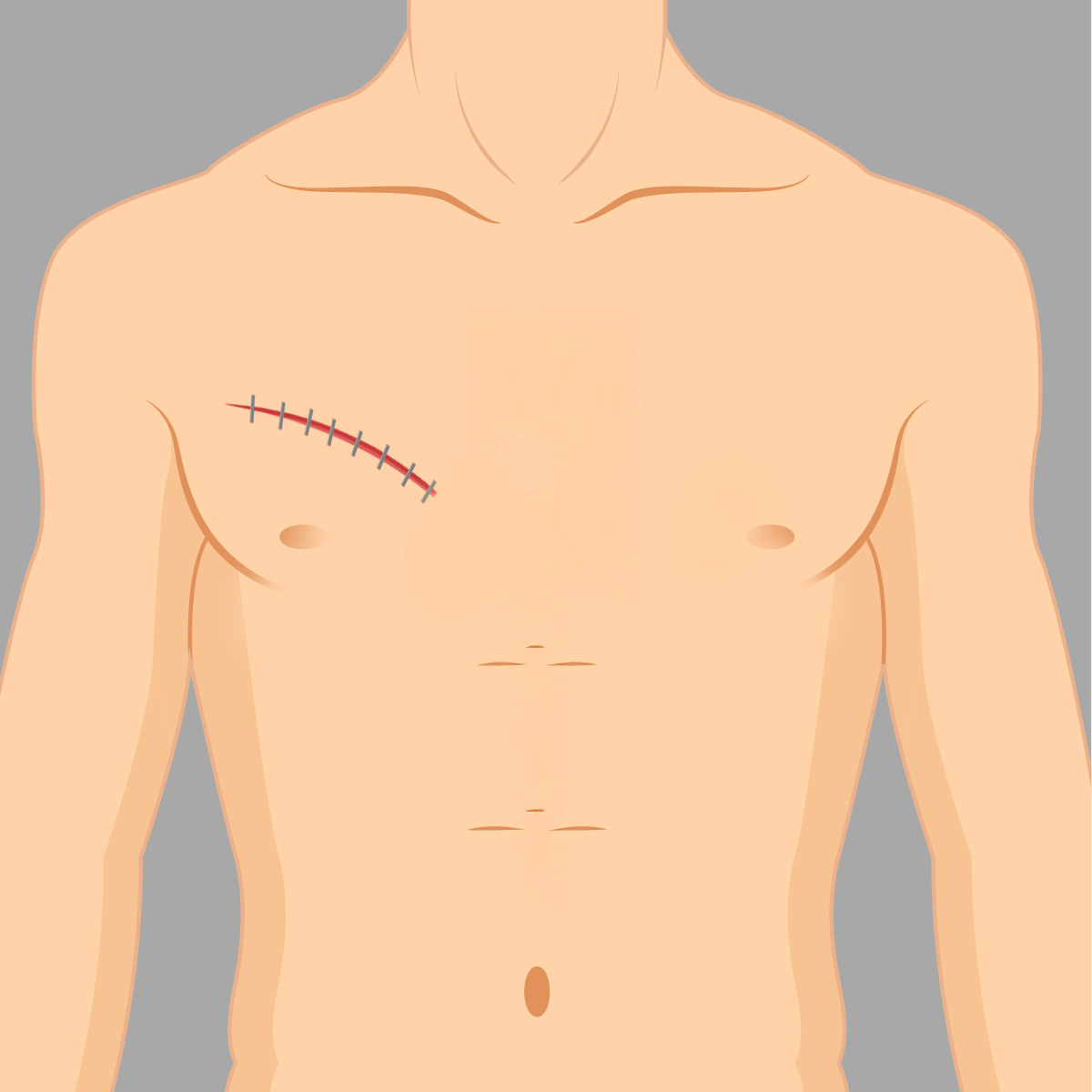
Usually no. Robotic heart surgeries can be performed through small incisions made from the armpit, without opening the chest bone.
When performed by an experienced surgeon and with proper patient selection, robotic heart surgery is a safe and effective method.
After robotic surgery, patients generally feel less pain, stand up in a shorter time, and can return to their daily lives faster.
No. The entire process is managed by the surgeon. The robotic system allows the surgeon to apply hand movements in a more precise and controlled manner.
Usually less pain is felt compared to traditional open surgeries. This is because the procedure is performed with smaller incisions.
Most patients are mobilized shortly after surgery. This period may vary according to the general condition of the patient.
Hospital stay after robotic surgery is usually shorter. Most patients can be discharged within 3-4 days.
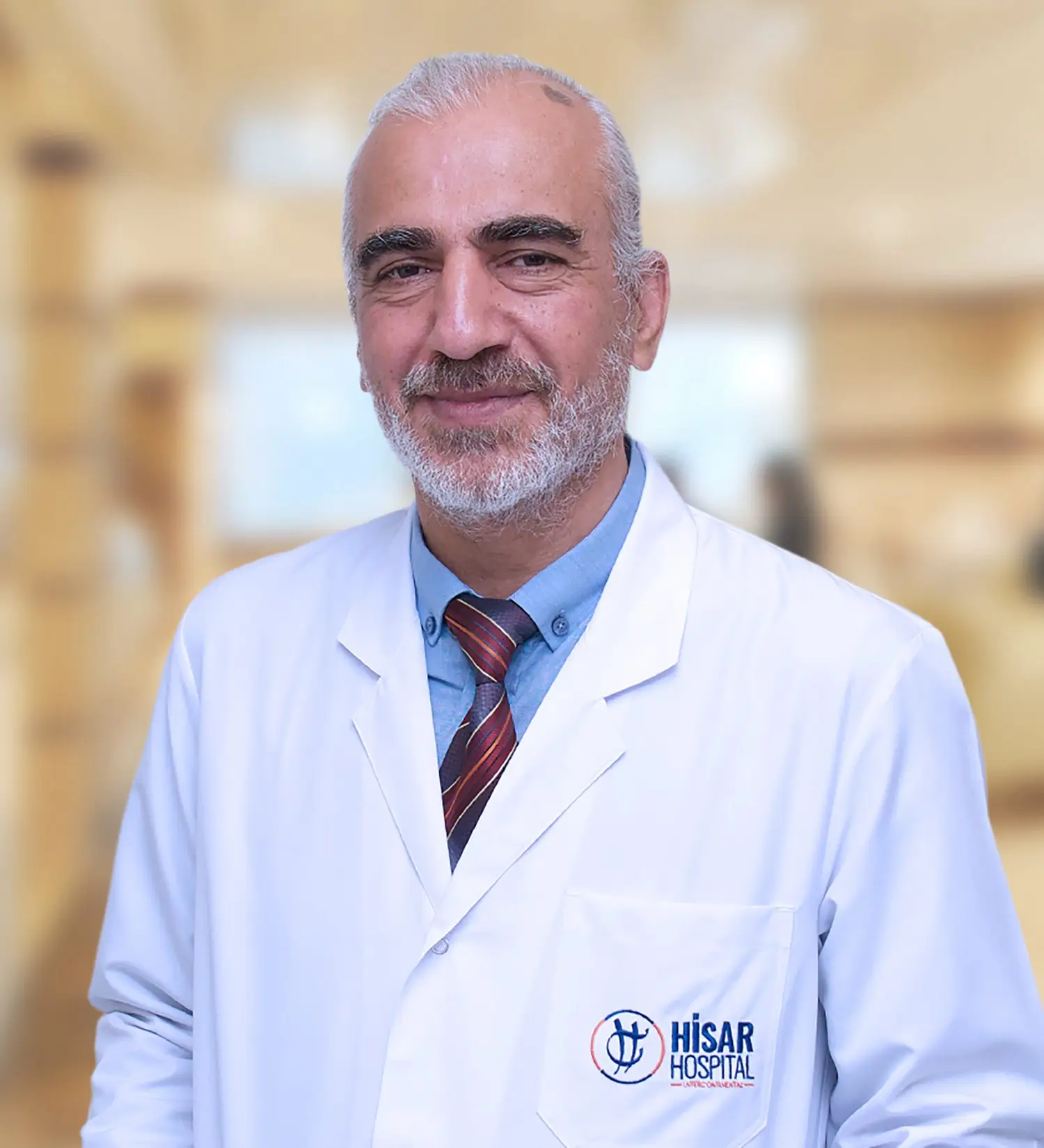
In 2001, he took part in the establishment of the SSK Süreyyapaşa Hospital Cardiovascular Surgery clinic and contributed to the establishment of cardiac surgery. In addition, the establishment of Cardiovascular Surgery and the first operations at Giresun State Hospital and Sinop State Hospital were performed by Prof. Dr. Ali Fedakar. Between 2003-2005, he served as a senior surgeon at the Private Swiss Hospital, and between 2005-2017, he served as a senior Adult Heart Surgeon at Koşuyolu Heart Hospital.
During his tenure, he performed approximately 4,000 open heart surgeries. He served in the heart transplant team at Kartal Koşuyolu High Specialization Education and Research Hospital between 2010-2015 and performed the process of taking the hearts of approximately 40 transplant patients from donors and performed heart transplant surgeries as the Primary Surgeon in 8 patients.
✅ Breastbone is not cut
✅ Lower risk of bleeding
✅ Lower risk of infection
✅ Less pain
✅ Smaller surgical scar
✅ Shorter intensive care and hospital stay
✅ Faster return to daily life
However, the most appropriate method for each patient is determined individually.
Before the surgery, patients are usually hospitalized 1 day in advance.
In this process:
Although the duration of the surgery varies depending on the procedure to be performed, it generally takes between 3 – 5 hours.
After surgery, patients are generally taken to intensive care for 1 day.
In this process:
The patient may be connected to a ventilator. The patient is closely monitored and pain control is provided. In most patients, it is possible to detach from the ventilator and move to the ward the next day.
In cases progressing without problems, on average:
Including 1 day in intensive care and 3-4 days in the ward; there is a total stay of 4-6 days in the hospital.
Pain in closed heart surgery is significantly less compared to open surgery because the breastbone is not cut. The vast majority of patients may feel mild to moderate pain that can be controlled with painkillers in the first days.
Patients are usually:
Seated 1 day after the surgery, after leaving intensive care. Short walks are started. Early mobilization is a very important step that accelerates recovery.
Average return times after closed surgery:
Driving: 2–3 weeks
Desk job: 2–4 weeks
Active sports: after doctor control
(It is significantly faster compared to open surgery.)
For recovery to be smooth:
In closed heart surgery, the incision is usually around 3–6 cm and most of the time:
When performed with appropriate patient selection and an experienced team, closed heart surgeries are reliable and comfortable for the patient.
The most important factors determining success are: