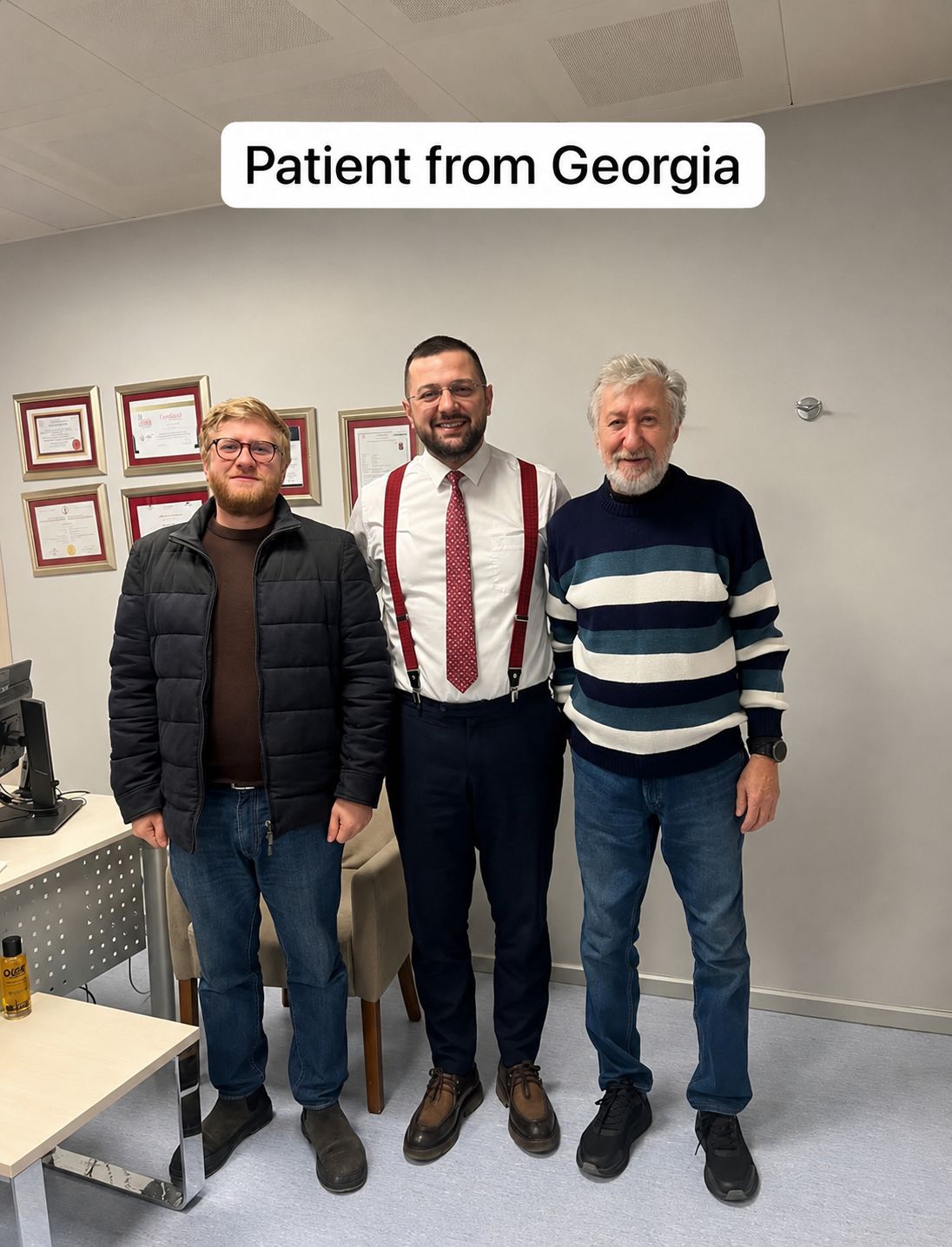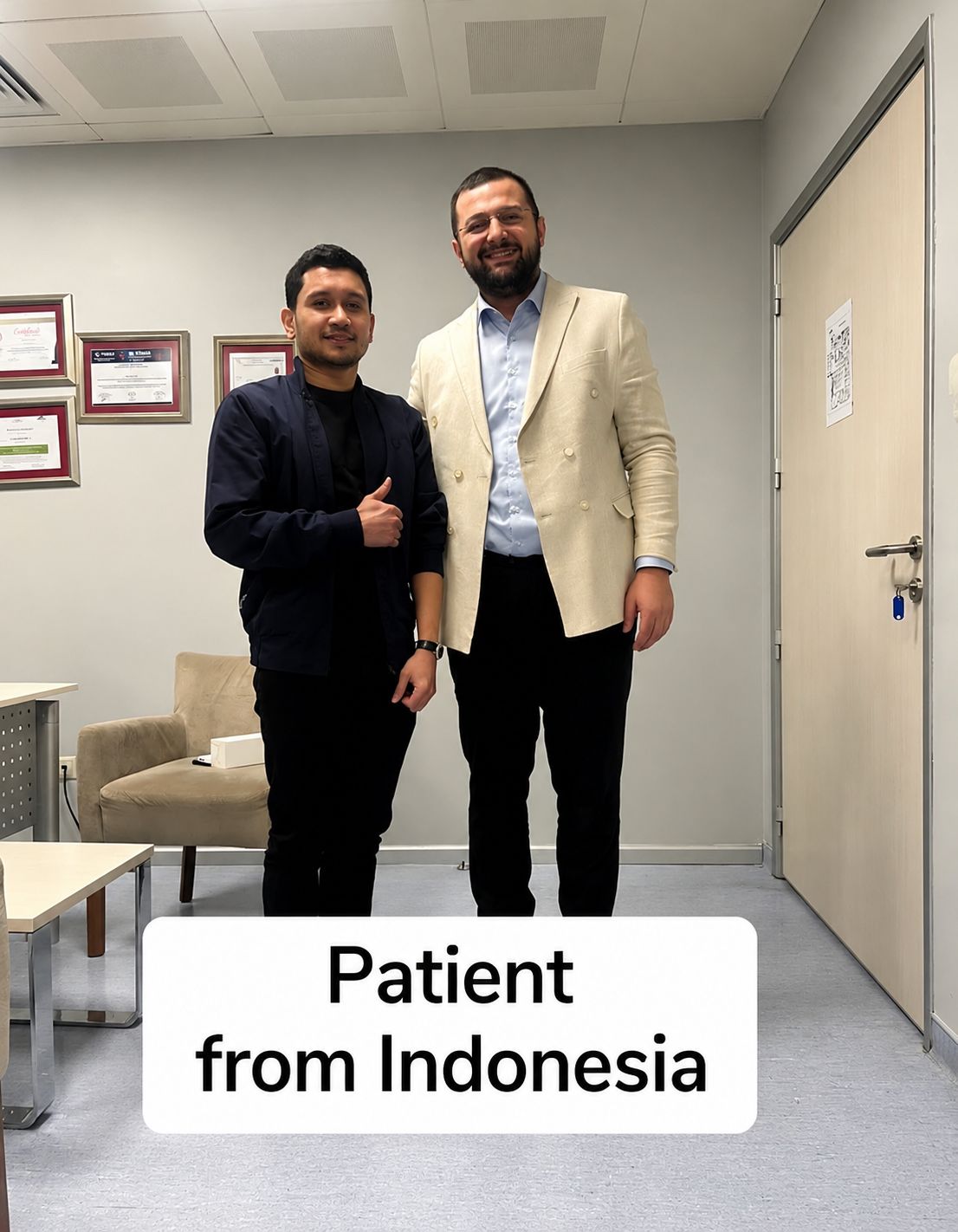
I would like to thank my doctor very much. Last month, I underwent bypass surgery. Thanks to the operation performed without opening my chest, I was able to return to my normal life in a short time. May God bless him

I came to my doctor based on a recommendation and underwent closed heart surgery. I recovered quickly and regained my health. Thank you
I came to my doctor through a recommendation and underwent heart valve surgery. I am very satisfied, thank you so much. My problems are gone. I would recommend him to everyone as well

We are very grateful to our doctor. My father had suffered from a heart murmur for years, and we had visited countless hospitals and cities without finding a solution. Thanks to our doctor, he finally found relief and healing. We are truly thankful to him.
I would like to express my thanks to Dr. Ali. I had been suffering from a heart condition for many years, and two months ago I underwent bypass surgery performed by him. He helped me regain my health. I feel much better than before. May God bless him. I highly recommend him to everyone
I would like to sincerely thank Dr. Ali and his team for their efforts. A successful doctor with a highly professional team. Their approach and attitude are excellent, and his expertise is outstanding.
I would like to thank Dr. Ali very much. My heart valve was replaced through a small incision under my chest, and I regained my health. He has an approach that gives people confidence and comfort. I would also like to sincerely thank the nurses and staff in the intensive care unit — Büşra, Beytullah, Güneş, and Cihat — as well as the incredibly kind Ms. Süreyya, Ms. Ayşe, and Ms. Kübra in the ward. I also want to thank all the other staff members whose names I may have forgotten to mention here. If you are ill, do not hesitate at all — come here with peace of mind, just as comfortably as if you were at home.
I would like to thank my doctor very much. May his hands never suffer. He brought me back to life again. Three of my veins were replaced, and my breathing and sleep quality have greatly improved.
Endoscopic (closed) heart surgeries are not suitable for every patient.
Which method will be preferred is determined based on the type of disease, the patient's general condition, and the result of the surgical evaluation.
Regular health screenings allow heart diseases that progress silently without any symptoms to be noticed at an early stage and for successful treatment methods to be applied.
Because the incision site is small, the patient heals faster. The duration of stay in the intensive care unit and the hospital is shortened. Discharge can be possible 4-5 days after the surgery. From the patient's perspective, both psychologically and in terms of aesthetic appearance, they may feel as if they haven't had surgery at all after the operation.

Endoscopic mitral valve surgery is a modern surgical method that allows for the treatment of stenosis or insufficiency in the mitral valve through small incisions made from the right side and with the help of a camera, without cutting the breastbone. Thanks to three-dimensional and high-resolution endoscopic imaging, mitral valve structures are evaluated in detail; the valve is repaired if possible, or replaced if necessary. In this method, the heart is reached from between the ribs, resulting in less tissue trauma, reduced post-operative pain and blood needs, an accelerated recovery process, and patients can return to their daily lives in a shorter time.
Endoscopic Ascending Aortic Surgery, asendan aortta gelişen genişleme, anevrizma veya yapısal hastalıkların; göğüs kemiği kesilmeden, küçük kesilerden ve yüksek çözünürlüklü endoskopik görüntüleme eşliğinde onarılmasını sağlayan ileri cerrahi bir yöntemdir.
Bu yaklaşımda cerrah, aortun kritik anatomisini büyütülmüş ve net görüntülerle değerlendirerek işlemi yüksek hassasiyetle gerçekleştirir.
Daha az doku travması, daha düşük enfeksiyon riski ve ameliyat sonrası daha hızlı iyileşme süreci sunan endoskopik yöntem, uygun hastalarda hem cerrahi güvenliği hem de hasta konforunu ön plana çıkarır.
3D Endoscope (3D Camera Technology)
In 2001, he took part in the establishment of the Cardiovascular Surgery clinic at SSK Süreyyapaşa Hospital and contributed to the establishment of Cardiac surgery. Additionally, the establishment and the first surgeries of Cardiovascular Surgery at Giresun State Hospital and Sinop State Hospital were performed by Prof. Dr. Ali Fedakar.
Between 2003 and 2005, he served as a senior surgeon at Private Swiss Hospital, and between 2005 and 2017, he served as a senior Adult Heart Surgeon at Koşuyolu Heart Hospital. During his tenure, he performed approximately 4,000 open-heart surgeries. He served in the heart transplant team at Kartal Koşuyolu High Specialty Training and Research Hospital between 2010 and 2015, performing the harvesting of hearts from donors for approximately 40 transplant patients and performing heart transplant surgeries as the Primary Surgeon for 8 patients.
✅ The breastbone is not cut
✅ Lower risk of bleeding
✅ Lower risk of infection
✅ Less pain
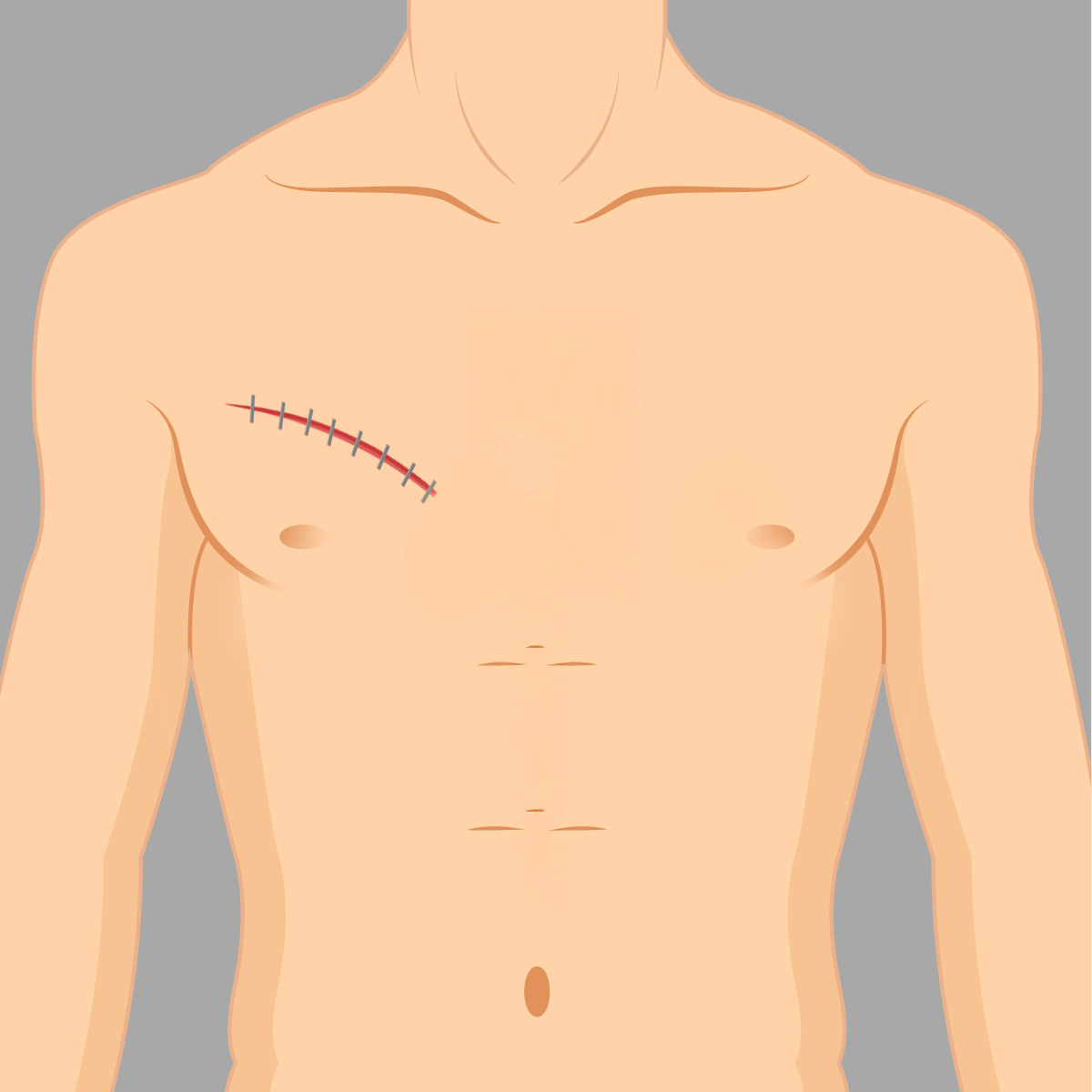
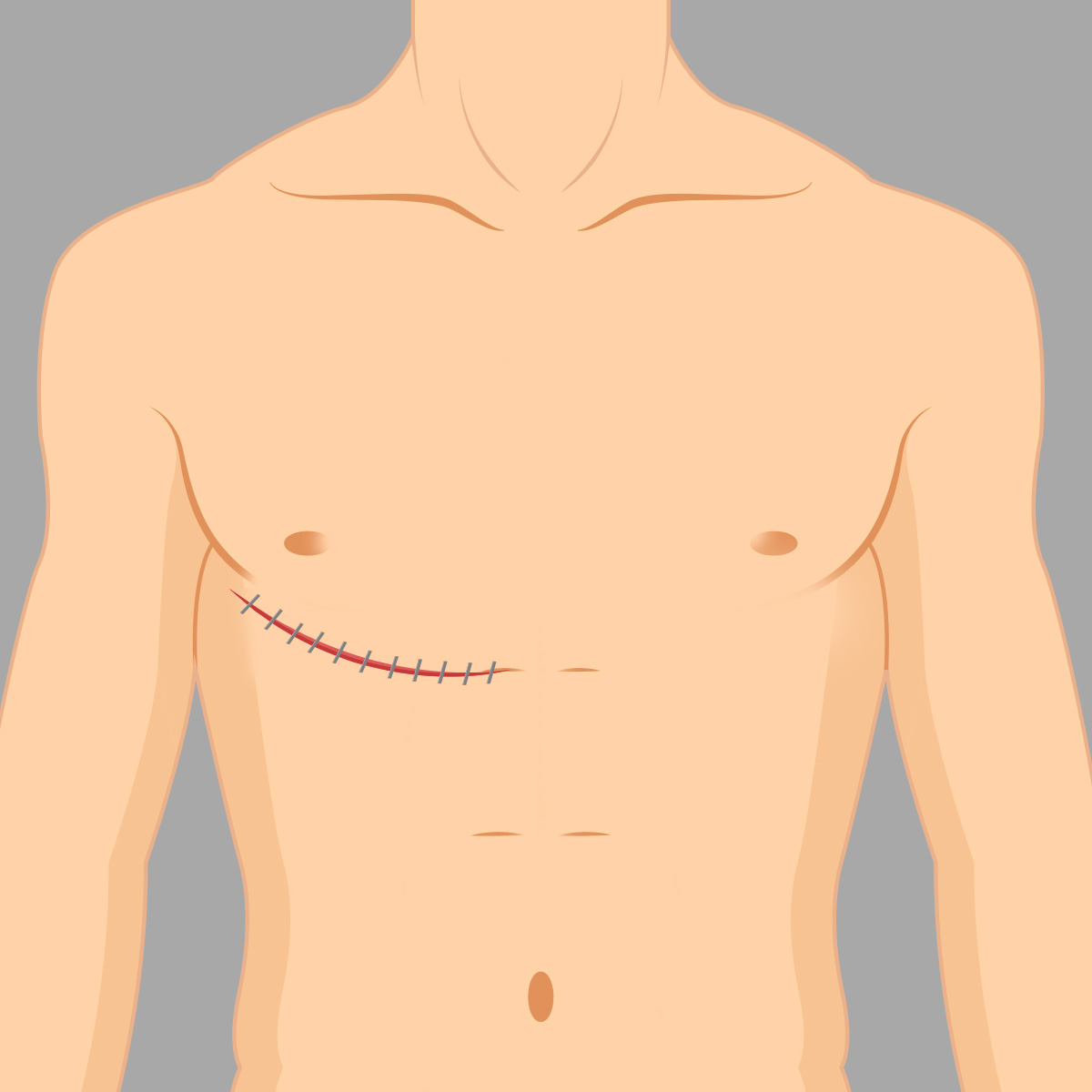
✅ Smaller surgical scar
✅ Shorter duration in intensive care and hospital stay
✅ Faster return to daily life
However, the most accurate method for each patient is determined individually.
Before the surgery, patients are usually hospitalized 1 day in advance.
In this process:
The duration of surgery varies depending on the procedure to be performed, but it usually takes between 3 – 5 hours.
After the surgery, patients are usually taken to the intensive care unit for 1 day.
In this process:
The patient may be connected to a ventilator. The patient is closely monitored and pain control is provided. For most patients, it is possible to be disconnected from the ventilator and move to the ward the next day.
In cases progressing without problems, on average:
1 day intensive care, 3–4 days in the ward; resulting in a total stay of 4–6 days in the hospital.
In closed heart surgery, pain is significantly less compared to open surgery because the breastbone is not cut. The vast majority of patients may feel mild to moderate pain that can be controlled with painkillers in the first days.
Patients are usually:
Seated 1 day after surgery, after leaving the intensive care unit. They are started on short walks. Early mobilization is a very important step that accelerates recovery.
Average return times after closed surgery:
Driving: 2–3 weeks
Desk job: 2–4 weeks
Active sports: after doctor's check-up
(It is significantly faster compared to open surgery.)
To ensure a smooth recovery:
In closed heart surgery, the incision is usually around 3–6 cm and most of the time it is located in the:
When performed with appropriate patient selection and an experienced team, closed heart surgeries are safe and comfortable for the patient.
The most important factors determining success are: